Sweat vs. Odor: What Actually Causes Body Smell?
by Eve Hanson
Short answer: Sweat itself is almost completely odorless. Body odor happens when bacteria on your skin break down compounds in sweat — and understanding that distinction changes how you approach odor control entirely.
Most people treat sweat and odor as the same problem. They are not. And confusing them leads to products and routines that address the wrong thing. Understanding the distinction is the insight behind how Lume's aluminum-free formulas were developed: if odor comes from bacteria, then an effective deodorant should make it harder for bacteria to act on sweat — not just reduce the sweat itself.
Why Sweat Itself Doesn't Smell
Short answer: Fresh sweat has very little odor. The smell develops within minutes to hours as bacteria on your skin metabolize the compounds sweat contains.
Your body has two main types of sweat glands:
Eccrine glands are distributed across most of your body and produce the thin, watery sweat you notice when you are hot or exercising. This sweat is mostly water and salt, and on its own, it produces very little odor.
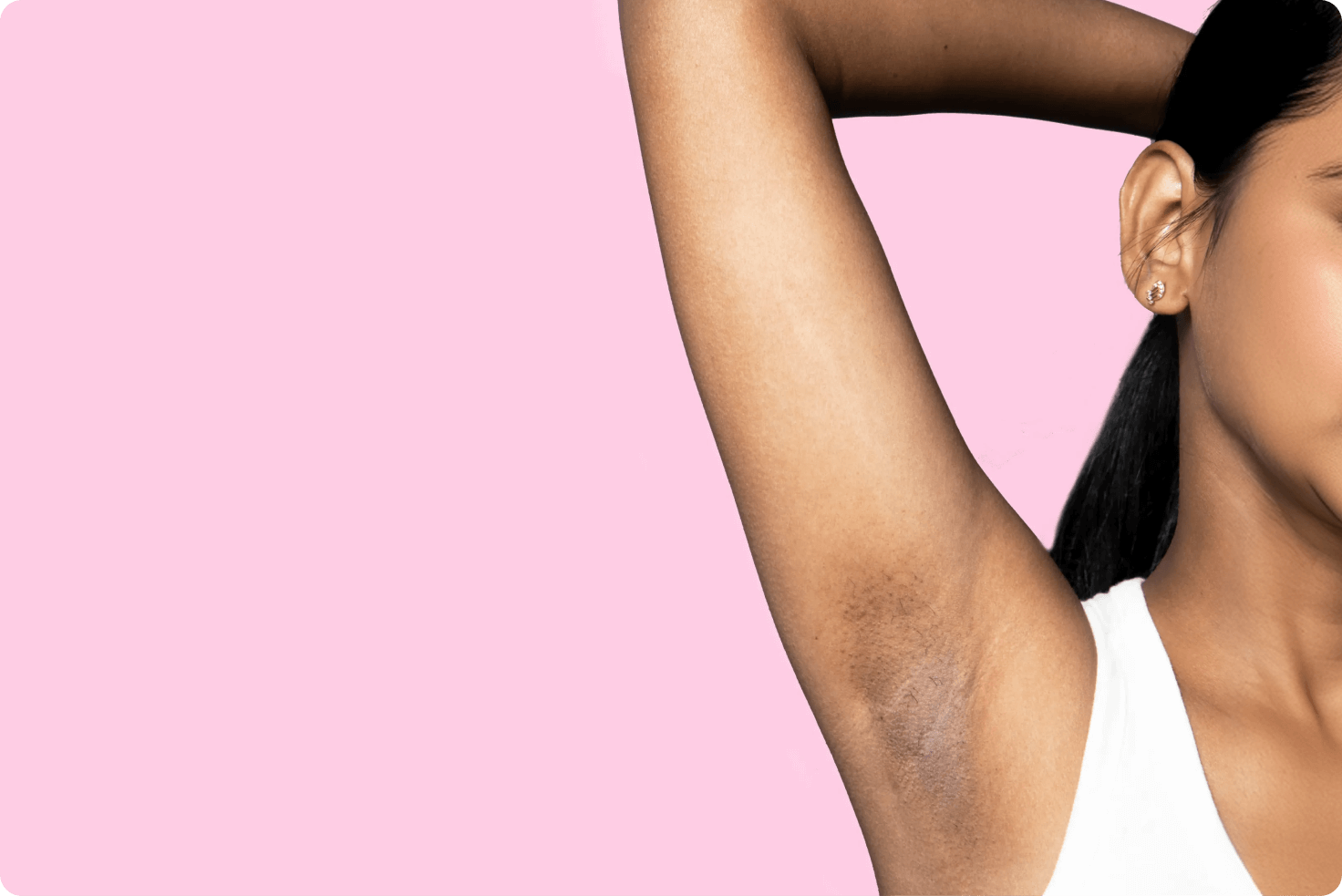
Apocrine glands are concentrated in the underarms, groin, and other areas with dense hair follicles. They become active during puberty and are triggered by stress, emotion, and hormonal changes. The sweat from apocrine glands contains proteins, lipids, and other organic compounds — and these are what bacteria feed on.
The odor you associate with body smell is a byproduct of that bacterial process, not of sweat itself.
For a clinically detailed breakdown, see Cleveland Clinic – "What Causes Body Odor?".
The Role of Bacteria
Short answer: Bacteria on your skin are the actual source of body odor. Different bacteria produce different smell profiles, which is why body odor varies between people and body areas.
Everyone has a microbiome — a community of bacteria that naturally lives on the skin. Most of it is harmless or even beneficial. But certain bacteria, particularly Corynebacterium and Staphylococcus species, break down the compounds in apocrine sweat into volatile molecules that have a noticeable smell.
The specific mix of bacteria on your skin is influenced by genetics, hygiene, diet, hormones, and the local environment of each body area (temperature, pH, moisture). This is why two people with similar hygiene habits can smell very different, and why odor varies across areas of your own body.
Targeting these bacteria is the mechanism behind deodorant — and the insight Lume's aluminum-free formulas are built on. Antiperspirant takes a complementary approach: by reducing the sweat that bacteria feed on, it addresses odor indirectly while also managing moisture. Lume's Sweat Control formulas combine both mechanisms — aluminum to reduce sweat and mandelic acid to target odor-causing bacteria directly. Products designed specifically around the bacterial-targeting approach are covered in The Complete Guide to Whole Body Deodorant.
Why Some Areas Smell More Than Others
Short answer: Areas with high apocrine gland density, limited airflow, and skin-on-skin contact create conditions where bacteria thrive — which is why underarms, groin, and feet tend to be the most odor-prone.
Three factors drive odor intensity in any given body area:
- Apocrine gland density — more apocrine glands means more bacterial food
- Moisture and warmth — bacteria multiply faster in warm, moist environments
- Airflow — skin folds and enclosed areas trap sweat against the skin longer, giving bacteria more time to act
This is why the underarms, groin, inner thighs, under the breasts, and feet are the most common odor areas — they combine all three factors. It also explains why odor in these areas is not simply a hygiene issue. Even people who shower daily can experience odor in these zones, because the conditions that cause it are structural, not just a matter of cleanliness. This structural reality — odor occurring across the body, not just underarms — is why Lume was designed for whole body use from the start. Managing odor safely in the groin and intimate areas specifically requires a different approach than underarms — covered in How to Safely Manage Odor in Intimate and Sensitive Areas.
How Hormones, Diet, and Stress Affect Odor
Short answer: All three can meaningfully change how you smell, independent of hygiene habits.
Hormones
Hormonal shifts during puberty, the menstrual cycle, pregnancy, and menopause alter the composition of sweat and the activity level of apocrine glands. This can make odor stronger, change its character, or cause it to appear in areas that were not previously a concern. During menopause, for example, declining estrogen increases sweating and changes the skin's microbiome — both of which intensify odor. Postpartum hormone shifts have a similar effect, often temporarily. For a full breakdown of how each hormonal stage affects odor and what to do about it, see How Hormones Affect Body Odor.
Diet
Certain foods contain volatile compounds that are excreted through sweat. The most well-known examples:
- Sulfur-rich foods — garlic, onions, and cruciferous vegetables are broken down into sulfur compounds that the body excretes through sweat and breath
- Red meat — some research suggests red meat consumption may alter body odor perception, potentially due to how it affects gut bacteria
- Alcohol — metabolized partly through sweat, contributing a distinct odor
- Spicy food — triggers eccrine sweating, which increases the overall moisture available for bacteria to act on
None of this means avoiding these foods — but it helps explain why odor can shift with changes in diet.
Stress
Stress-induced sweat is produced predominantly by apocrine glands — which means it contains more of the compounds bacteria use to create odor. This is physiologically distinct from the eccrine sweating triggered by heat or exercise.
In practical terms: stress sweat tends to smell stronger than exercise sweat, even if the volume is similar. Because the issue is bacterial activity on odor-rich compounds rather than sweat volume alone, a formula that targets both — or a deodorant used alongside antiperspirant — can be more effective than antiperspirant alone for stress-related odor.
Deodorant vs. Antiperspirant: What's the Difference?
Short answer: Deodorant addresses odor by targeting bacteria or neutralizing smell. Antiperspirant addresses sweat by blocking the glands that produce it. They solve related but distinct problems.
Many products combine both functions, but understanding the distinction helps you choose the right tool. If sweating itself is the primary concern, antiperspirant is the more direct solution. If odor is the concern — even without heavy sweating — deodorant is the right approach. For people whose odor shows up in more than just the underarms, Lume's Cream Tube Deodorant is a popular whole body format worth trying.
Why Do Some People Sweat More? (A Brief Introduction to Hyperhidrosis)
Short answer: Some people have overactive sweat glands — a condition called hyperhidrosis — that causes sweating significantly beyond what the body needs for temperature regulation.
Primary hyperhidrosis typically affects the hands, feet, underarms, and face. It is not caused by heat or exercise and often has a genetic component. It affects an estimated 3–5% of people, though prevalence estimates vary, and can significantly impact daily life and confidence.
For people with hyperhidrosis, standard deodorant is usually insufficient. Clinical-strength antiperspirants — which contain higher concentrations of aluminum — are typically the first-line recommendation, applied to dry skin before bed. In more severe cases, dermatologists may recommend prescription treatments or procedural options.
If sweating feels significantly beyond normal — soaking through clothing, affecting multiple body areas, or present even in cool conditions — it is worth discussing with a healthcare provider. For people who want stronger sweat control without a prescription, Lume's Sweat Control line combines aluminum-based antiperspirant with mandelic acid for odor control in the same formula.
When You Actually Need Clinical-Strength Antiperspirant
Short answer: Clinical-strength antiperspirant is worth considering if standard products consistently fail to manage sweat, if sweating affects your clothing or daily activities, or if you suspect hyperhidrosis.
Clinical-strength formulas contain higher concentrations of aluminum than other antiperspirants. They are applied to dry skin — typically at night before bed, when sweat ducts are less active — and work by forming a plug in the sweat gland that persists through washing. They are effective for heavy sweating but are generally intended for underarm use. For most people managing normal to moderate sweating, a standard antiperspirant or a well-formulated aluminum-free deodorant is sufficient.
The Bottom Line
Body odor is a bacterial process, not a sweat problem. Sweat is the fuel; bacteria are the engine. Understanding that distinction is the foundation for choosing products and building routines that actually work.
Key takeaways:
- Sweat is odorless — odor comes from bacteria breaking down sweat on your skin
- Apocrine glands (underarms, groin, etc.) produce sweat that bacteria find most useful
- Hormones, diet, and stress all influence how much bacteria have to work with — hormonal changes in particular can shift odor patterns significantly
- Deodorant addresses odor; antiperspirant addresses sweat — know which problem you are solving
- If odor shows up in multiple areas, whole body deodorant is designed for exactly that
For a deeper look at the bacteria behind body odor and how they interact with your skin, read Bacteria On Our Skin: Friend Or Foe?
Lume makes clinically tested deodorant formulas — including aluminum-free and sweat control options — with select formulas designed for use across multiple areas of the body, from underarms to external intimate areas and feet.